Crown thinning in Bermondsey: a practical local service for healthier, better-shaped trees
If you are looking for crown thinning in Bermondsey, you are probably dealing with a tree that has become too dense, too shaded, or too dominant for the space it grows in. In a busy South London area like Bermondsey, trees have to work hard. They need to fit around terraced streets, courtyards, shared gardens, commercial frontages, mews access routes, and the everyday realities of people trying to park, unload, or simply get more daylight into their homes.
Crown thinning is one of the most useful tree surgery services for local property owners because it improves light, airflow, and balance without dramatically changing the natural form of the tree. It is often chosen by households, landlords, housing managers, and businesses that want a cleaner, lighter canopy while keeping the tree healthy and attractive. When done well, it can make a real difference to the feel of a garden, the safety of an outdoor area, and the overall appearance of a property.
This page explains what the service involves, when it makes sense, how it is carried out, and why working with a local Bermondsey tree team can be a very practical choice. If you are planning work on a mature tree, need help with a crowded canopy, or want advice before you book, this information should help you make a confident decision.
What crown thinning actually means
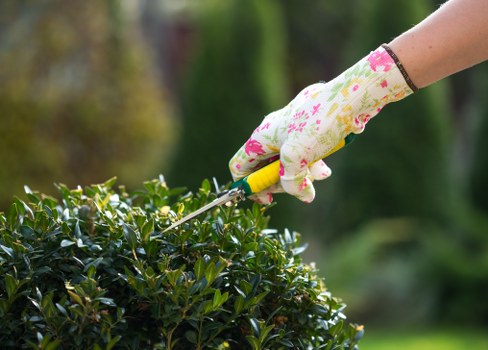
Crown thinning is the selective removal of smaller branches from throughout the canopy. The aim is not to reduce the overall height of the tree or leave it looking stripped back. Instead, it creates a more open structure while retaining the tree’s natural outline. This means the tree still looks like a tree, but with less crowding in the crown.
It is different from crown reduction. Reduction lowers the height or spread of the tree, while thinning focuses on interior density. It is also different from crown lifting, which removes lower branches to raise the canopy. In practice, thinning is often chosen when the tree is healthy but simply too dense for the location.
In Bermondsey, that distinction matters. Many local properties have compact gardens, overlooked yards, tight side returns, or shared outdoor spaces where a large canopy can create heavy shade. A carefully thinned crown can improve comfort and usability without the visual impact of more drastic pruning.
Why crown thinning is popular in Bermondsey
Bermondsey combines period housing, modern apartment buildings, commercial units, and mixed-use developments. That mix creates different tree care needs, but one theme appears again and again: space is limited. Trees that once suited a property can start to feel too heavy, too shaded, or too close to neighbouring boundaries as they mature.
People often enquire about crown thinning in Bermondsey when they notice one or more of the following:
- Rooms are becoming darker because branches are blocking natural light.
- A garden feels enclosed or overhung by a dense canopy.
- The tree sways heavily in wind because the crown is catching too much airflow.
- Leaves and minor debris are building up on roofs, paths, or flat surfaces.
- Neighbours are affected by shade or overextension across a boundary.
- A business frontage or shared courtyard needs a tidier, lighter appearance.
Local conditions matter as well. Around Bermondsey, access can be awkward in narrow streets, behind terraces, through communal gates, or near busy roads where loading, traffic, and footfall all need to be managed carefully. A local tree surgery team is usually better placed to plan the work sensibly and complete it with less disruption.
Signs your tree may need thinning
Not every tree with a full crown needs work, but some clear signs suggest thinning may be the right option. A tree can appear healthy yet still benefit from selective pruning if the structure has become overcrowded or the site demands more light and airflow.
Common signs include branches rubbing together, a canopy that looks too compact, twigs and leaves gathering inside the crown, and a noticeable drop in light beneath the tree. You may also see uneven growth where the tree is reaching outward in a few directions while remaining congested in the middle. In some cases, the tree may produce a lot of fine growth after previous work, making the crown denser than before.
Important: if the tree has dead wood, poor form, disease symptoms, or roots affecting nearby structures, thinning may need to be combined with other tree surgery. A proper assessment should always come before any cutting begins. That way, the work supports the tree rather than putting it under unnecessary stress.
Benefits of crown thinning for local properties
For Bermondsey homes and commercial premises, crown thinning offers a practical balance between tree care and day-to-day comfort. It can improve conditions immediately, while also helping the tree cope better with weather and seasonal growth.
Here are some of the main benefits:
- More natural light enters gardens, courtyards, windows, and ground-floor rooms.
- Better airflow through the canopy can reduce heavy wind resistance.
- A tidier appearance helps the tree fit better within a well-kept property.
- Reduced weight in dense areas can support a more balanced crown.
- Less crowding means rubbing branches and awkward growth can be eased.
- Improved use of outdoor space makes gardens and yards feel more practical.
For residential customers, these benefits often make a small outdoor space feel more inviting and usable. For business owners, landlords, and managing agents, thinning can help keep entrances, seating areas, shared courtyards, and landscaped spaces looking cared for without losing the presence of mature planting.
How our crown thinning service works
Every tree is different, so the service begins with an assessment of the tree, the site, and your aims. The right amount of thinning depends on the species, size, age, health, recent weather exposure, and how close the tree is to buildings, fences, utilities, walkways, or neighbouring plots.
In most cases, the work follows a clear process:
- Site inspection: We look at the canopy, trunk, branching pattern, and access points.
- Discussion of your aims: You can explain whether you want more light, less clutter, improved shape, or better clearance.
- Planning the pruning: We decide which branches should be removed and how to maintain a natural outline.
- Selective cutting: Smaller branches are removed across the crown rather than concentrated in one place.
- Final check: We assess the result to make sure the tree still looks balanced and appropriate for the site.
The aim is to preserve the tree’s health and character. A careful approach is especially important in Bermondsey, where trees are often visible from windows, pavements, neighbouring homes, and shared outdoor spaces. Clean, balanced pruning makes a noticeable difference without overworking the tree.
What is included in a professional crown thinning visit?
Customers often want to know exactly what they are paying for before booking. A professional crown thinning service is more than just a quick trim. It should include thoughtful inspection, skilled pruning, and proper site care from start to finish.
A typical service may include:
- Initial assessment of the tree’s condition and canopy density
- Selective removal of smaller interior branches
- Maintenance of the tree’s natural shape and structural integrity
- Reduction of crossing, crowded, or awkward growth where needed
- Attention to light, airflow, and overall balance
- Responsible clearance of cut material from the site
- Advice on whether future tree care may be needed
Not every tree needs the same amount of work. Some require only light thinning, while others need a more considered approach because of previous pruning, poor branch structure, or limited growing space. A good tree surgeon will explain the options clearly before starting.
Why Bermondsey properties benefit from a local team
There is real value in choosing a local company for crown thinning in Bermondsey. A nearby team understands the realities of the area: narrow access routes, controlled parking zones, shared entrances, busy residential streets, and the mix of old and new development that shapes local tree work.
That local knowledge can make the process smoother in several ways. It helps with timing the visit around access issues, planning for equipment movement, and reducing disruption to neighbours or customers. It also means the team is more likely to understand the kinds of trees commonly found in local gardens, communal plots, and commercial boundaries.
For example, a tree in a compact courtyard off a main road may need a very different approach from one growing in a larger rear garden near Southwark Park or in a landscaped communal area close to the riverside. The more familiar the team is with Bermondsey’s property types, the easier it is to deliver practical results.
Local access and parking challenges
Tree work in Bermondsey can involve more planning than people expect. There may be limited roadside space for vehicles, restricted parking, shared access through gated areas, or pedestrian-heavy surroundings where equipment and cut material need to be handled carefully. If branches need to be lowered safely rather than dropped, that can also affect setup time and the number of staff required.
Because of these realities, it helps to use a team that is used to working in tighter urban conditions. They can plan the visit around the site rather than forcing the site to fit the job. That usually means less stress for you and a neater end result.
Residential and commercial crown thinning
Crown thinning is useful for a wide range of customers in Bermondsey. The priorities are not the same for everyone, but the underlying aim is similar: keep the tree healthy and manageable while making the surrounding space more usable.
Residential customers often request thinning for:
- Back gardens that feel dark or enclosed
- Overhanging branches near patios or seating areas
- Neighbour boundary concerns
- Space around sheds, fences, and outbuildings
- Improving the look of a mature tree without losing it entirely
Commercial customers may need thinning for:
- Shopfronts and business entrances
- Courtyards and outdoor staff areas
- Managed residential blocks and communal gardens
- Schools, healthcare premises, and hospitality spaces
- Trees that affect visibility, cleanliness, or customer comfort
In both cases, the work should be done with care and attention to the site’s day-to-day use. A tree outside a family home, for instance, may need a different rhythm and approach from one near a commercial entrance that sees constant foot traffic.
How much thinning is right?
One of the most common questions is how much of the crown should be thinned. The answer depends on the tree, its condition, and the reason for the work. As a general principle, thinning should be selective and measured. The goal is to open up the canopy, not over-prune it.
Too much removal can leave the tree looking sparse or stressed, while too little may not make a meaningful difference. That is why it is important to use someone who understands tree structure and can judge how to achieve the balance you want without damaging the overall form. A well-managed crown should still appear natural, stable, and in proportion to its surroundings.
Good thinning is barely noticed in a bad way and clearly noticed in a good way. You should see more light and a cleaner outline, but the tree should still look like a healthy, established feature of the property.
Preparation checklist before your appointment
Preparing for the work helps the visit run more smoothly and may reduce delays on the day. If you are arranging crown thinning in Bermondsey, a little planning goes a long way.
- Clear access to the tree where possible.
- Move garden furniture, ornaments, planters, or outdoor storage away from the work area.
- Let neighbours know if branches overhang shared boundaries or access routes.
- Check whether parking or entry arrangements need to be made in advance.
- Identify any delicate plants, surfaces, or features that should be protected.
- Think about what you want the result to achieve: more light, more space, or improved shape.
If the tree is in a communal or managed setting, it is helpful to confirm who has permission to arrange the work and whether anyone else needs to be informed. In shared courtyards and residential blocks, good communication can prevent avoidable delays.
Pricing factors to consider
While it is not sensible to guess exact prices without seeing the tree, there are clear factors that affect the cost of crown thinning. Understanding these can help you compare quotes sensibly and see why one job may differ from another.
Typical pricing factors include:
- Tree size and height: Larger trees usually need more time, planning, and equipment.
- Canopy density: Very dense crowns take longer to thin carefully.
- Access: Narrow alleys, back-garden access, or restricted parking can affect the setup.
- Site complexity: Proximity to fences, buildings, glass, cables, or neighbouring gardens may require more care.
- Waste volume: More cut material can mean more clearance and disposal work.
- Additional tree issues: Dead wood, poor structure, or disease may require further attention.
When asking for a quote, it helps to describe the tree, its location, and your main goal. If possible, provide a few clear details about access and whether the work is in a front garden, rear garden, courtyard, or commercial area. This makes it easier to give a realistic assessment.
When crown thinning may be combined with other services
Sometimes crown thinning is enough on its own. In other cases, it is part of a broader tree care plan. That is especially true when the tree has become too close to the property, the lower branches interfere with access, or the crown structure has become unbalanced over time.
Related services may include:
- Crown lifting to improve clearance beneath the canopy
- Crown reduction if the tree is too large for the space
- Dead wood removal for tidiness and safety
- Selective pruning to improve shape and branching
- Tree inspection where health or stability needs checking
A professional approach will not force a service that is not needed. Instead, the right recommendation should be based on the tree’s condition and your priorities for the site. That is how you avoid unnecessary work and get a result that truly suits the property.
Common questions from Bermondsey customers
Will thinning damage my tree?
When carried out correctly, crown thinning should not damage a healthy tree. It is a selective process designed to preserve the natural shape and support better airflow and light. Problems usually arise only when too much is removed or the work is done without understanding the tree’s structure.
How often does a tree need thinning?
There is no fixed timetable. Some trees may only need attention occasionally, while fast-growing or densely branched trees may benefit from periodic maintenance. The right interval depends on species, location, and how quickly the canopy grows back in your specific setting.
Can thinning help if my garden feels dark?
Yes, it often can. If the tree’s canopy is blocking a lot of sunlight, selective thinning may noticeably improve the amount of light reaching windows and outdoor areas. It will not turn shade into full sun, but it can make a meaningful difference.
Do I need permission for tree work?
Some trees are protected or may be subject to local controls, so it is important to check before starting work if there is any uncertainty. A local tree professional should be able to flag whether the tree may need further checks before pruning begins.
Can you work around neighbours and shared spaces?
Yes, but it takes planning. Bermondsey properties often involve boundaries, shared access, or overlooked gardens, so the job may need careful sequencing and tidy site management. That is one of the reasons local experience matters.
Areas covered around Bermondsey
Customers looking for crown thinning in Bermondsey often also need service across nearby streets and neighbourhoods. Local tree teams commonly work across the surrounding part of Southwark and adjacent areas where similar property types and access conditions apply.
Areas and settings often include:
- Bermondsey residential streets and rear gardens
- Riverside apartments and landscaped communal spaces
- Commercial premises, offices, and retail frontages
- Courtyards, shared entrances, and managed blocks
- Nearby parts of Southwark, South Bermondsey, Rotherhithe, and other close-by local areas
If your tree sits in a difficult spot, do not assume it is too awkward to manage. Urban tree work is often about planning the right method rather than having lots of open space. A well-organised local visit can handle many site types efficiently and with minimal disruption.
Choosing a company you can trust
When selecting a tree surgery team, look for practical signs that they understand both the work and the local setting. You want a company that talks clearly about the tree’s condition, explains what will happen on site, and gives you a sensible recommendation rather than pushing unnecessary work.
A trustworthy service should be able to discuss:
- The difference between thinning, lifting, and reduction
- How the tree’s structure affects the method used
- What access is likely to involve
- How much disruption the job may create
- What the canopy will look like after the work
Good tree care is about balance. The work should support your property, respect the tree, and leave the site tidy and usable. That is especially important in a place like Bermondsey, where outdoor space is often valuable and carefully used.
Ready to arrange crown thinning in Bermondsey?
If your tree is becoming too dense, too shady, or too close for comfort, crown thinning in Bermondsey may be exactly the solution you need. It is a practical way to improve light, airflow, and appearance while keeping the tree in place and maintaining its natural character.
Whether you are a homeowner, landlord, managing agent, or business owner, a local team can help you decide what is appropriate and carry out the work with attention to access, neighbours, and the surrounding property. If you want a cleaner canopy, a more comfortable outdoor space, or a better-balanced tree, now is a good time to take the next step.
Contact us today to discuss your tree, request a free quote, or book your service now. If you are not sure whether thinning is the right option, an initial visit can help you make the right choice for your site.
Quick summary of the service
Crown thinning removes selected small branches throughout the canopy to improve light and airflow while preserving the tree’s natural shape. It is ideal for many Bermondsey properties where space is limited and mature trees need careful management.
Final note for local customers
Choosing a local Bermondsey tree team can make the process easier, faster, and better suited to the realities of your property. If the canopy is becoming a problem, ask for an assessment and find out how a careful thinning can improve the space around your tree.